
The casino industry is evolving faster than ever. Driven by technology, changing player expectations, and new regulations, modern casino games look very different from those of a decade ago. Today’s trends are not just cosmetic—they are reshaping how players interact, spend time, and perceive value in gambling.
Understanding these trends offers a clear view of where the future of gambling is headed.
Live Dealer Games Are Becoming the Standard
Live dealer games have moved from novelty to necessity.
Why live dealer formats are growing
- Real-time interaction with professional dealers
- Streaming-quality video and smooth interfaces
- Blends online convenience with land-based authenticity
Players increasingly prefer human interaction over purely digital outcomes, especially in table games.
Mobile-First Casino Design
Mobile play now dominates online gambling activity.
Key mobile-driven changes
- Games designed vertically for smartphones
- Faster loading times and simplified interfaces
- One-hand gameplay and quick betting options
Casinos that fail to prioritize mobile optimization are rapidly losing relevance.
Skill-Influenced Casino Games
Traditional games rely purely on chance, but new formats reward decision-making.
Emerging skill-based elements
- Arcade-style casino games
- Hybrid slots with player choices
- Competitive scoring systems
These games appeal to younger audiences who expect control and progression rather than passive play.
Virtual Reality and Immersive Experiences
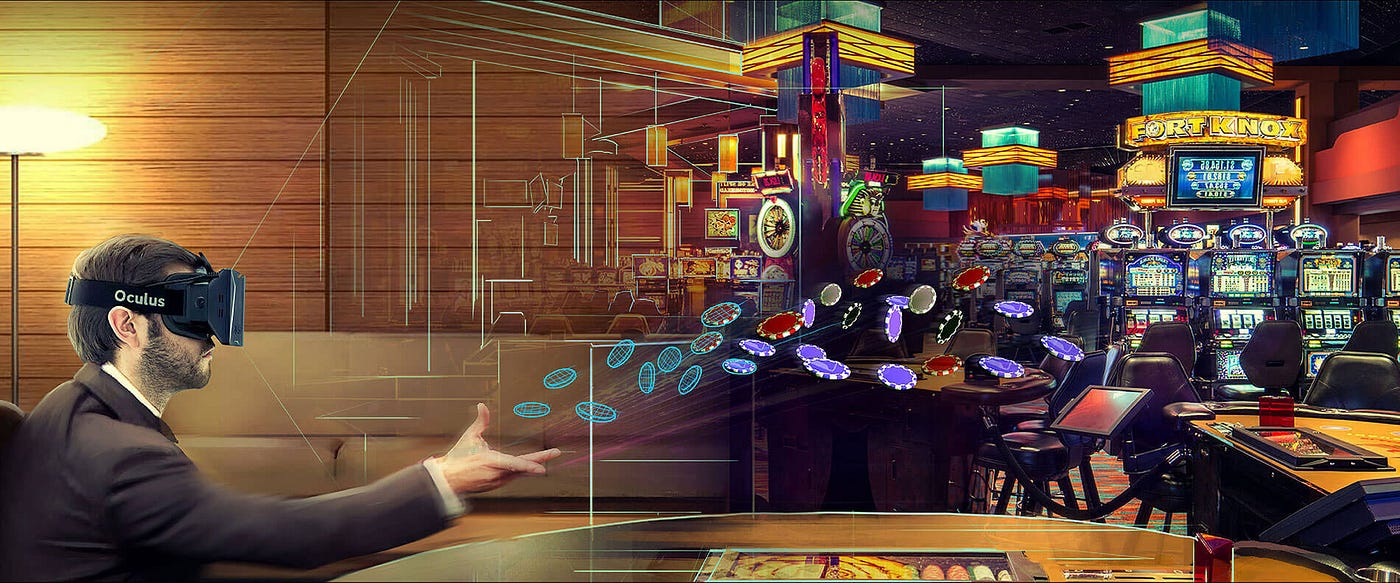
Virtual reality is slowly moving from experimental to practical use.
How VR is shaping casinos
- Fully immersive casino environments
- Social interaction with other players
- Realistic table movement and spatial audio
While still niche, VR casinos point toward a future where gambling feels more like a digital destination than a website.
Cryptocurrency and Blockchain Integration
Digital currencies are influencing how players deposit, withdraw, and trust platforms.
Blockchain-driven benefits
- Faster payouts
- Increased transparency
- Lower transaction fees
Crypto-friendly casinos also appeal to players seeking privacy and decentralized financial control.
Personalization Through Data and AI
Casinos now tailor experiences at an individual level.
Examples of personalization
- Customized game recommendations
- Dynamic bonuses based on play style
- Personalized loyalty rewards
Smarter data use increases engagement while reducing irrelevant promotions.
Short-Session and Instant Games
Modern players value speed and flexibility.
Why instant games are rising
- Sessions lasting seconds, not hours
- Minimal learning curve
- Designed for casual, on-the-go play
These games fit seamlessly into mobile lifestyles and busy schedules.
Social and Community-Based Gambling
Gambling is becoming more social, even online.
Social-focused features
- Shared tables and chat functions
- Community jackpots
- Streamed gameplay and spectatorship
Social engagement increases retention and transforms gambling into a shared experience.
Responsible Gambling Tools Built In
Future-focused casinos are embedding protection features directly into gameplay.
Common responsible gambling tools
- Time and spending reminders
- Self-exclusion options
- Real-time behavior monitoring
These tools support sustainability and long-term player trust.
The Shift Toward Entertainment-First Gambling
Modern casino games compete with streaming, gaming, and social media.
Entertainment-driven changes
- Story-driven slot mechanics
- High-quality sound and visuals
- Gamified progression systems
Winning is no longer the only hook—engagement matters just as much.
Frequently Asked Questions (FAQ)
Are traditional casino games becoming obsolete?
No. Classic games remain popular, but they are being enhanced with modern features.
Will live casinos replace all digital table games?
Unlikely. Both formats serve different player preferences and coexist effectively.
Is virtual reality gambling widely available?
Not yet. VR casinos are growing but still represent a small segment of the market.
Do skill-based casino games offer better odds?
Not necessarily. They change engagement, not the underlying house edge.
Are cryptocurrencies becoming mainstream in casinos?
Adoption is increasing, especially online, but traditional payment methods remain dominant.
How important is mobile gaming for casinos today?
It is critical. Most players now access casino games primarily through mobile devices.
Will personalization make gambling more expensive for players?
Personalization aims to improve relevance, but players still control spending through limits and choices.
Casino games are no longer defined solely by spinning reels or dealing cards. They are becoming interactive, personalized, and experience-driven, shaped by technology and shifting player expectations. As these trends continue to evolve, the future of gambling will focus less on chance alone—and more on how players choose to engage with the game.